A Better Way to Remove Kidney Stones: The CVAC System

Take a closer look at the vacuum-based technology that’s setting a new standard in kidney stone care.
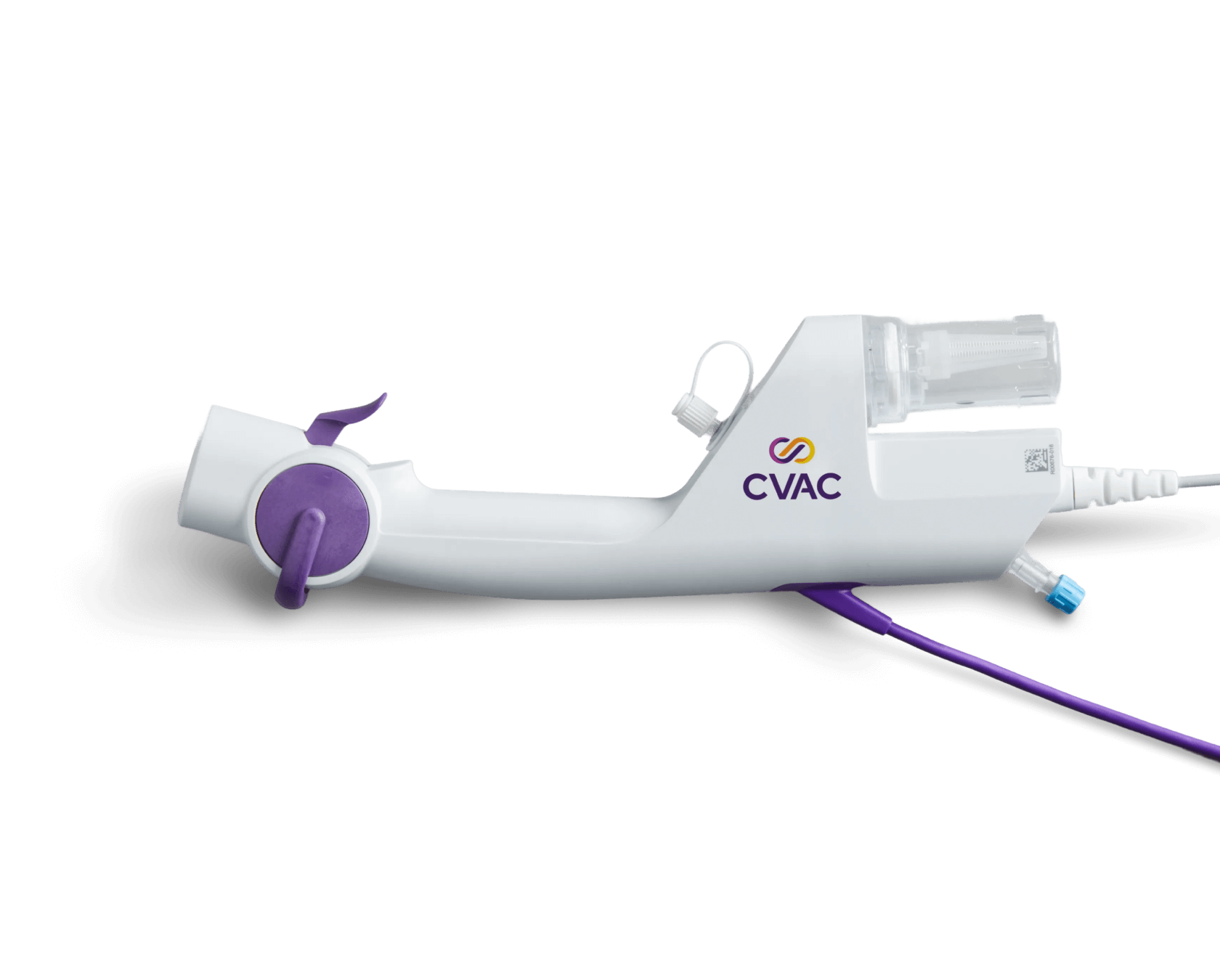
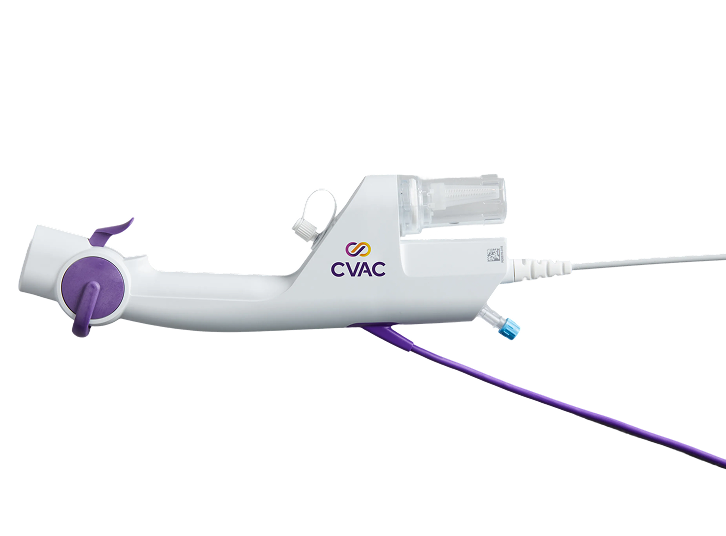
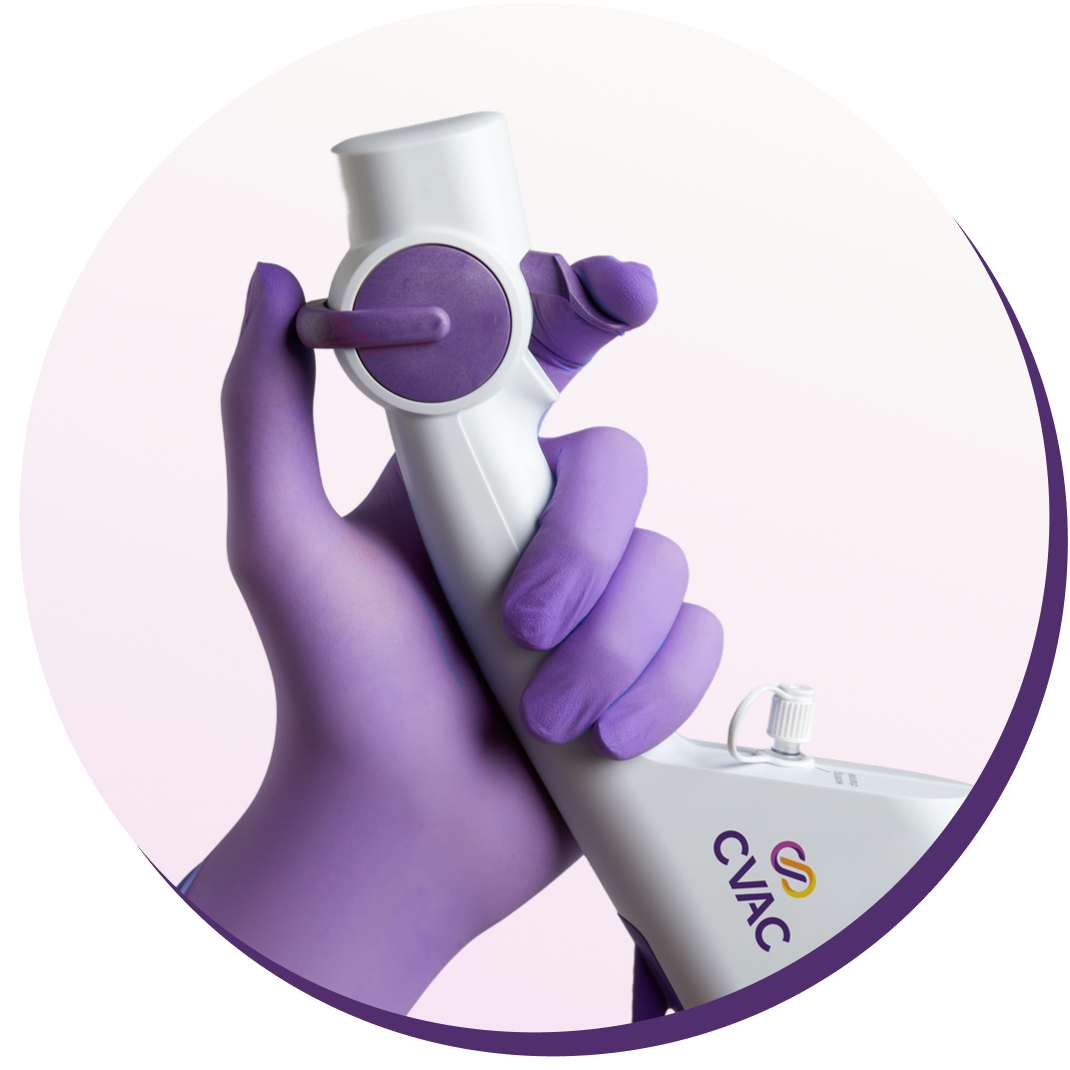
A picture of the handpiece for the CVAC System kidney stone treatment

An Innovative Solution to a Long-Standing Problem

For decades, urologists have been using various methods to break kidney stones into smaller pieces. Some of those pieces may be removed during treatment or passed through urine afterward. But the rest remain in the body, where they increase the risks of stone regrowth and unplanned post-procedure health events, such as ER visits, hospital stays, and additional procedures.*,1
So, for decades, urologists have been wondering: “What if there were a way to completely remove all remaining stone fragments?”
Now, there is: The CVAC System.

Intentionally Designed to Help Physicians Leave No Stone Behind

Developed in partnership with world-renowned urologists, the CVAC System is the only kidney stone treatment technology built to deliver:

Accept No Substitutes

Other suction-based kidney stone treatments do exist, but studies show they are less efficient, leave more stone fragments behind, and may result in more device-related injuries.2,3 That’s why it’s important to ask for the CVAC System by name.

Less Left Behind2,3 — More Peace of Mind

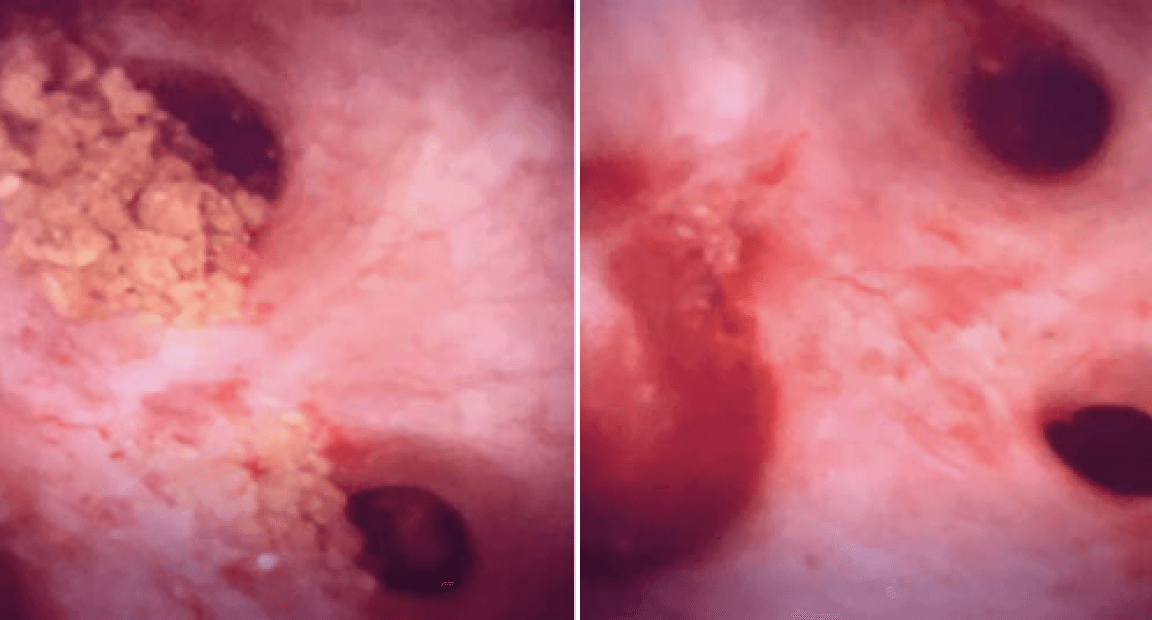
Kidney stone treatment results without the CVAC System and with the CVAC System
After standard kidney stone treatment4
After treatment with the CVAC System4

Lower Chances of Kidney Stone Regrowth

Any kidney stone fragments that remain in your body can serve as anchor points for new stones to form and grow.
The CVAC System is clinically proven to leave less behind — even compared to other suction-based treatment options.2,3
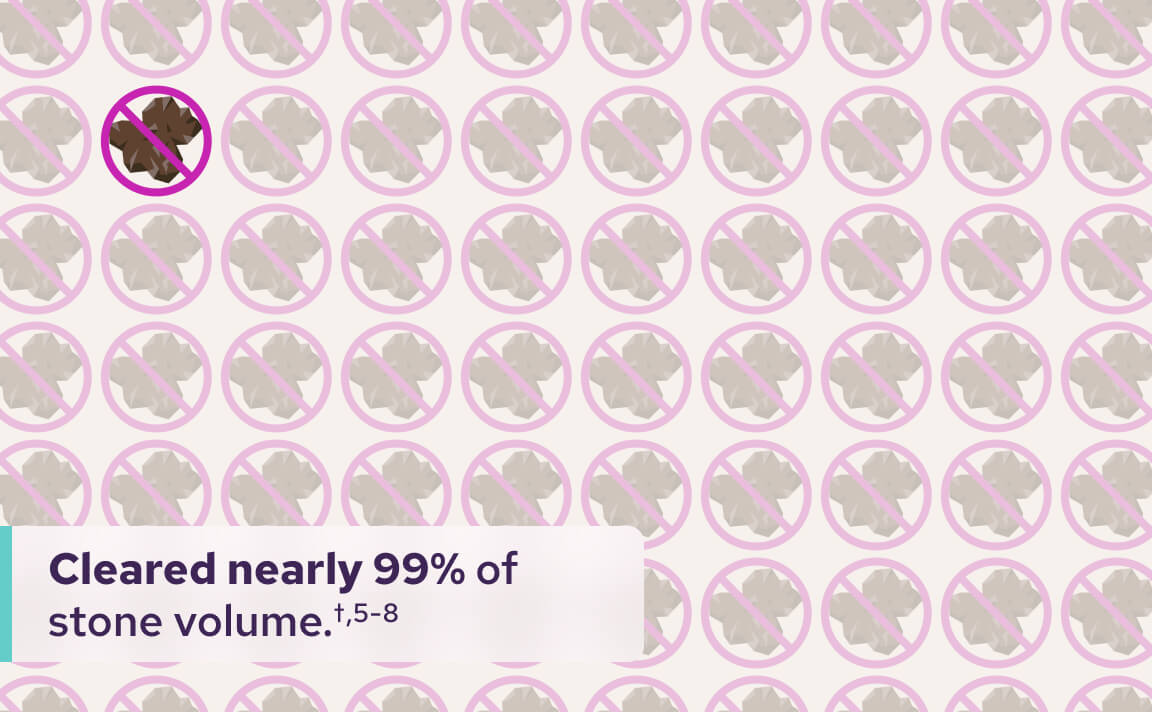
An infographic illustrating how effectively the CVAC System clears kidney stones

Clinical Proof You Can Trust

In clinical studies, the CVAC System has shown:
  • Consistently high stone clearance across different kidney stone types and sizes9-15
  • Low complication rates10
  • Four times lower Residual Stone Volume (RSV) compared to another suction-based treatment2
An infographic illustrating how the CVAC System helps patients avoid unplanned post-procedure care events

Significantly Fewer Unplanned Post-Procedure Health Events
Unplanned health events are ER visits, hospital stays, or additional procedures likely due to stones left behind after your initial procedure.

Residual Stone Volume (RSV) — meaning how much stone is left behind — is a key measure of treatment success. It plays a major role in predicting unplanned post-procedure health events, such as ER visits, hospital stays, and additional procedures,* even up to two years after your procedure.1

Compared to standard stone lasering (without vacuum removal), CVAC System patients had five times lower RSV and 73% lower risk of unplanned post-procedure health events.*,1
Explore the CVAC System Procedure

See how the one-of-a-kind CVAC System clears kidney stones, leaving fewer fragments behind1-4:

Efficient, minimally invasive stone removal2,3

Lower likelihood of unplanned post-procedure health events*,1 Unplanned health events are ER visits, hospital stays, or additional procedures likely due to stones left behind after your initial procedure.

Typically covered by insurance

A physician’s gloved hand holding the handpiece of the CVAC System kidney stone treatment

Frequently Asked Questions

Learn more about the kidney-stone-eliminating CVAC System.

Yes, the CVAC System procedure is covered by most insurance plans. You may be responsible for part of the procedure cost, but the amount you pay will depend on your health insurance plan coverage. Your doctor’s office or surgery scheduler will confirm your insurance coverage before your procedure.

The CVAC System is the only minimally invasive kidney stone treatment technology that continuously vacuums out stone fragments and dust, with the goal of completely removing all stone pieces in a single procedure.

The CVAC System uses specialized vacuum technology to continuously suction out stone fragments during and after stone lasering.

There is no universal definition for “stone-free” — and the term is somewhat misleading. It does not necessarily mean there are no kidney stones or stone fragments left inside your body. “Stone-free” typically means there are no stones left over a certain size (such as 2 mm or 4 mm) or no stones left that could be detected by a specific type of imaging.


“Stone clearance,” on the other hand, refers to the percentage of total stone volume that was removed during the procedure. If your doctor achieves 95% stone clearance, that means 5% of the original stone volume is still inside your body.


So, even if you achieve a “stone-free” result, where no residual fragments are over 4 mm, you may have many smaller fragments left, resulting in lower stone clearance.
Three Things to Listen for When Talking to Your Doctor

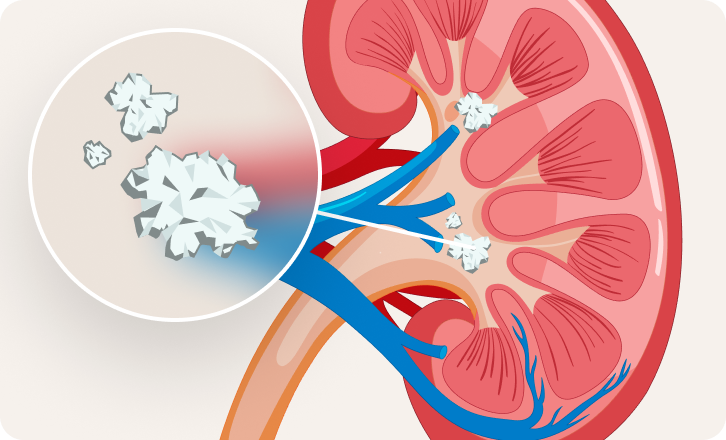
An illustration of a kidney showing where a physician may find kidney stones

“The Goal Is to Completely Remove All of Your Kidney Stones.”

The CVAC System is designed to help your doctor remove all stone pieces, so none are left behind to regrow or pass through your urine.
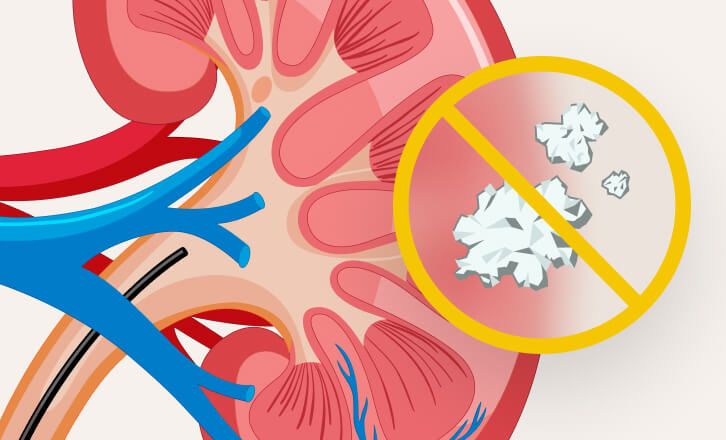
An illustration of a kidney showing where kidney stones may be removed with the CVAC System

“The Procedure Is Minimally Invasive with a Short Recovery.”

With the CVAC System, you get high stone clearance without the need for more invasive surgery.4

An illustration of the kidneys featuring the CVAC System logo

“I’ll Be Using a Technology Called the CVAC System.”

Even other suction-based treatment options are not as effective.2,3 Be sure to ask for the CVAC System by name.

Ready to Leave Your Kidney Stones in the Dust?

Use our locator to find a CVAC System physician near you — and be sure to ask for the CVAC System procedure!
* Unplanned post-procedure health events are ER visits, hospital stays, or additional procedures (limited to additional procedures likely due to stones left behind after your initial procedure).
† The average cleared stone volume over known studies was 97.6%
‡ After 2 years, compared to standard ureteroscopy
MAC00270-03.A
  1. Stern, et al. MP16: 01 Steerable ureteroscopic renal evacuation reduces the risk of healthcare consumption events at 2 years compared to standard ureteroscopy (URS). Conference Presentation, WCET 2025.
  2. Cabo et. al. MP29-04: Prospective Comparison of Flexible and Navigable Ureteric Access Sheath (FANS) and CVAC 2.0 In-Scope Aspiration System for High-Volume Stone Disease, Conference Presentation, AUA 2025.
  3. Johnson, Brett A., et al. CVAC System Superior to Direct-In-Scope Suction Across Range of Stone Sizes in a Direct In Vitro Comparison of Stone Fragment Aspiration, Conference Presentation, March 2025.
  4. Matlaga B, Mueller T, Johnson B, Page J, Wolf JS, Preminger G, et al. PD10-04 PROSPECTIVE, RANDOMIZED STUDY OF STEERABLE URETEROSCOPIC RENAL EVACUATION VS URETEROSCOPY WITH BASKETING: 30-DAY RESULTS OF THE ASPIRE STUDY. Journal of Urology. 2024 May 1 [cited 2025 Nov 5];211(5S):e186. Available from: https://doi.org/10.1097/01.JU.0001008748.59024.cb.04.
  5. Matlaga, J Endourol. 2025 Jan;39(1):10-18 – 96.9% at 30 days follow up
  6. Stern, J Endourol. 2023 Aug 28;37(11):1179-83 – 96.1% retrospective study
  7. Ballantyne, World J Urol. 2025 Oct 29;43(1):645 – 98.4% 1-3 months follow up
  8. Cabo, World J Urol. 2025 Oct 29;43(1):645 – 98.8% within 3 months
  9. Griffiths et. al. IP11-10: Early Experience of Steerable Ureteroscopic Evacuation (S.U.R.E) with CVAC System Next Gen 2.0 — with Quantitative Computer Tomography, Conference Presentation, AUA 2025.
  10. Klyde et. al. PD01-06: Real-World Experience with CVAC 2.0 for Steerable Ureteroscopic Renal Evacuation in a Large, Multi-Site Academic Institution, Conference Presentation, AUA 2025.
  11. Cook et. al. IP08-19: A Retrospective Analysis of the 2nd Generation CVAC Ureteroscope’s Stone Clearance: Our Initial Experience, Conference Presentation, AUA 2025.
  12. Eisner, et al. MP16: 17 Prospective Evaluation of Steerable Ureteroscopic Renal Evacuation with the Second-Generation CVAC® Aspiration System: Findings from the CLEARANCE Study. Conference Presentation, WCET 2025.
  13. Ostergar, et al. MP25: 12 First In-Vivo Multicenter Experience with the novel CVAC aspiration ureteroscope. Conference Presentation, WCET 2025.
  14. Rings, et al. MP08:16 Steerable Ureteroscopic Renal Evacuation with the CVAC System – A Retrospective Study Evaluating Outcomes for Complex Stone Patient. Conference Presentation, WCET 2025.
  15. Chen, et al. MP19: 06 Steerable Ureteroscopic Renal Evacuation (SURE) in real-world practice: a single center outcome analysis. Conference Presentation, WCET 2025.
Individual results may vary. Speak with your doctor to determine what treatment may be right for you. There are risks of complications with the CVAC System procedure including, but not limited to: perforation, bleeding, damage to ureter or kidney, pain, inflammation, infection, and/or fever. In some cases, complications may require intervention and may lead to a serious outcome. View full safety information here.
MAC00270-03.A

Contact Us for More Information About the CVAC System Procedure

This field is for validation purposes and should be left unchanged.
Checkboxes(Required)

MA00171-01.A