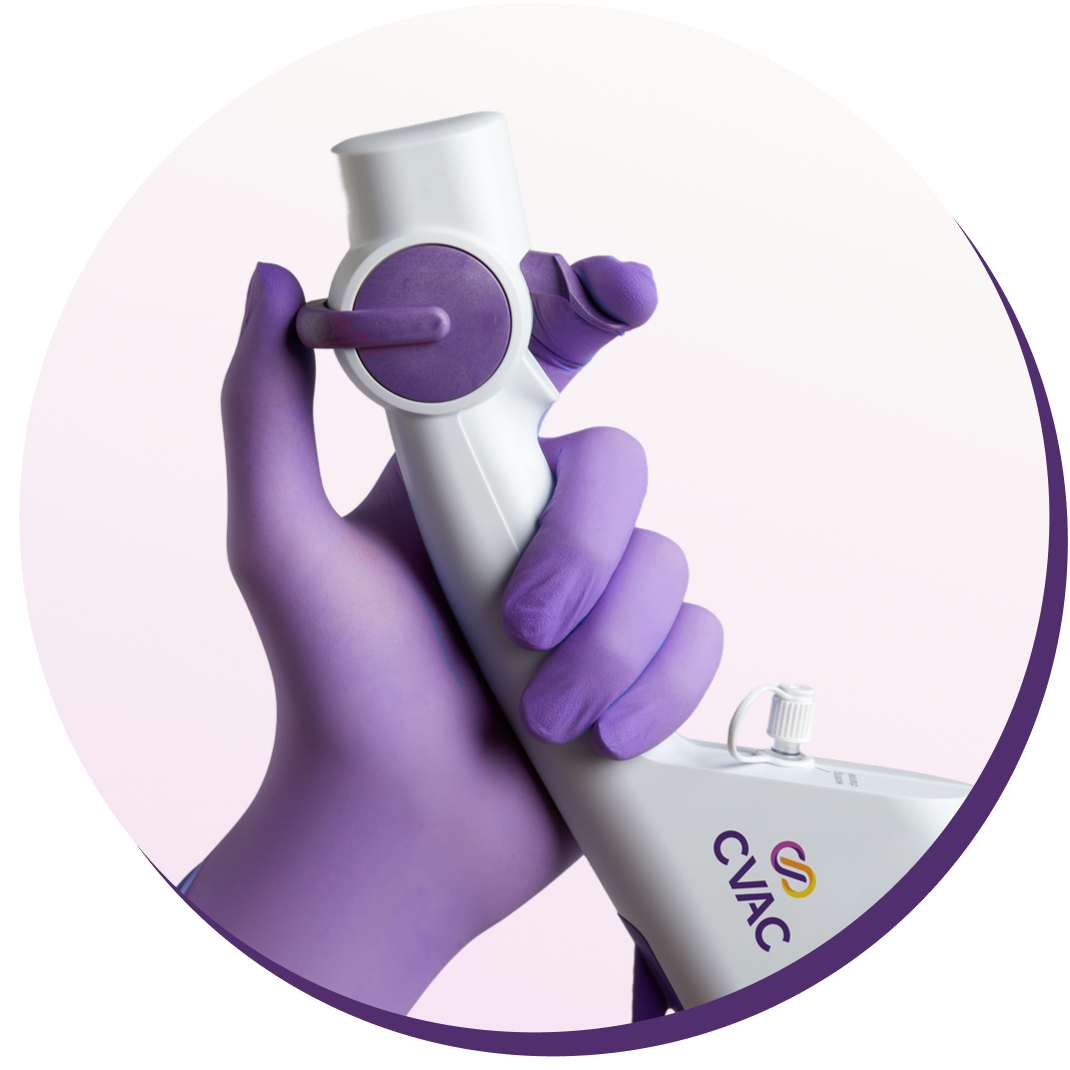
Learn about the first-of-its-kind, minimally invasive procedure designed to help your doctor remove all of your kidney stones in a single treatment.1
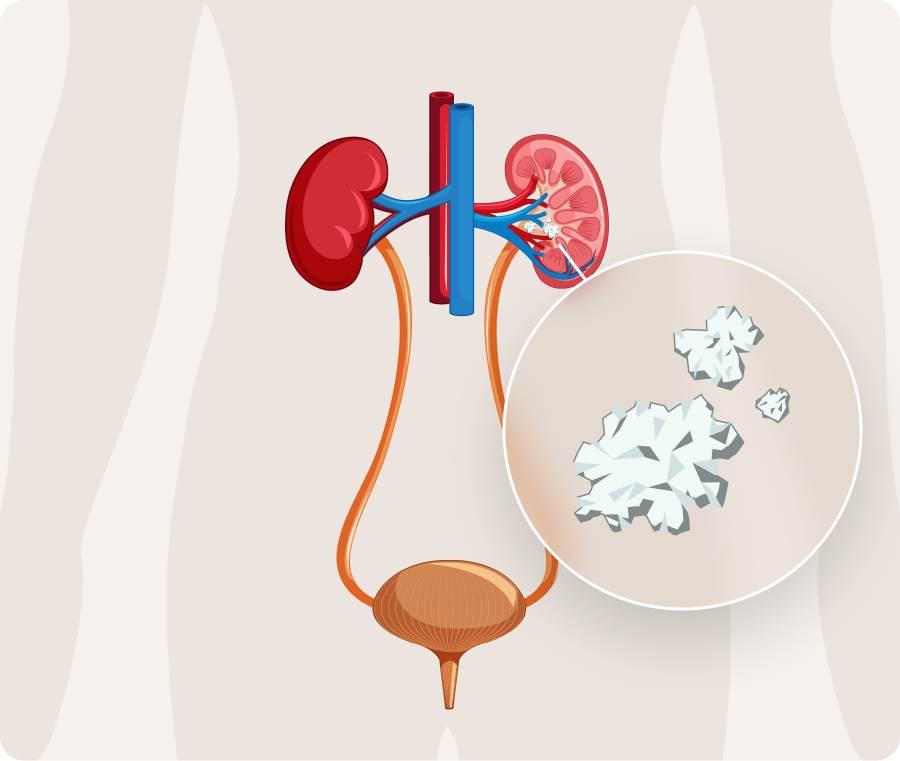
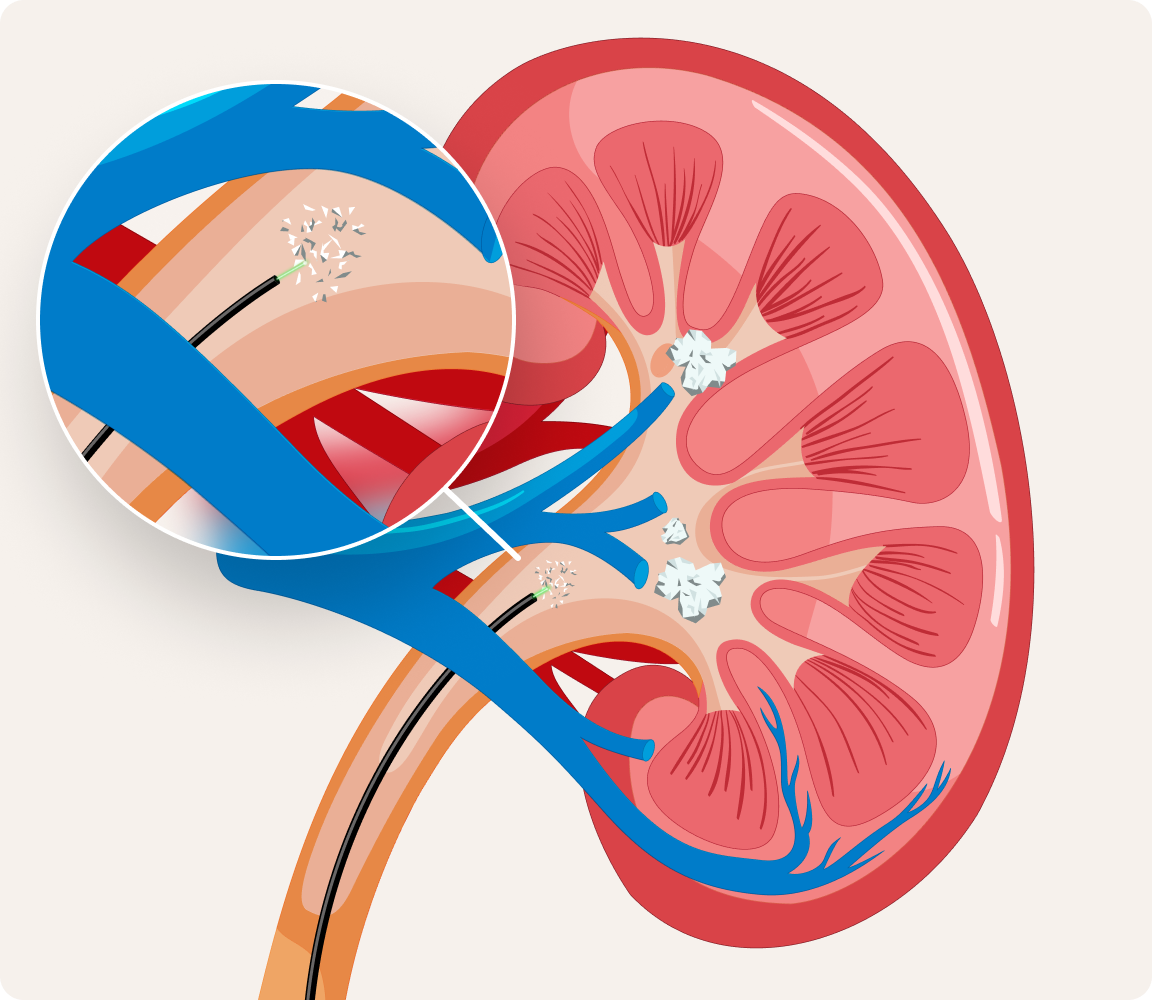
Accessing the kidney: While you’re under anesthesia, the thin, camera-guided tube of the CVAC System will be threaded through your urethra, bladder, ureter, and kidney, to the exact location of your stone(s). No surgical incisions are required.
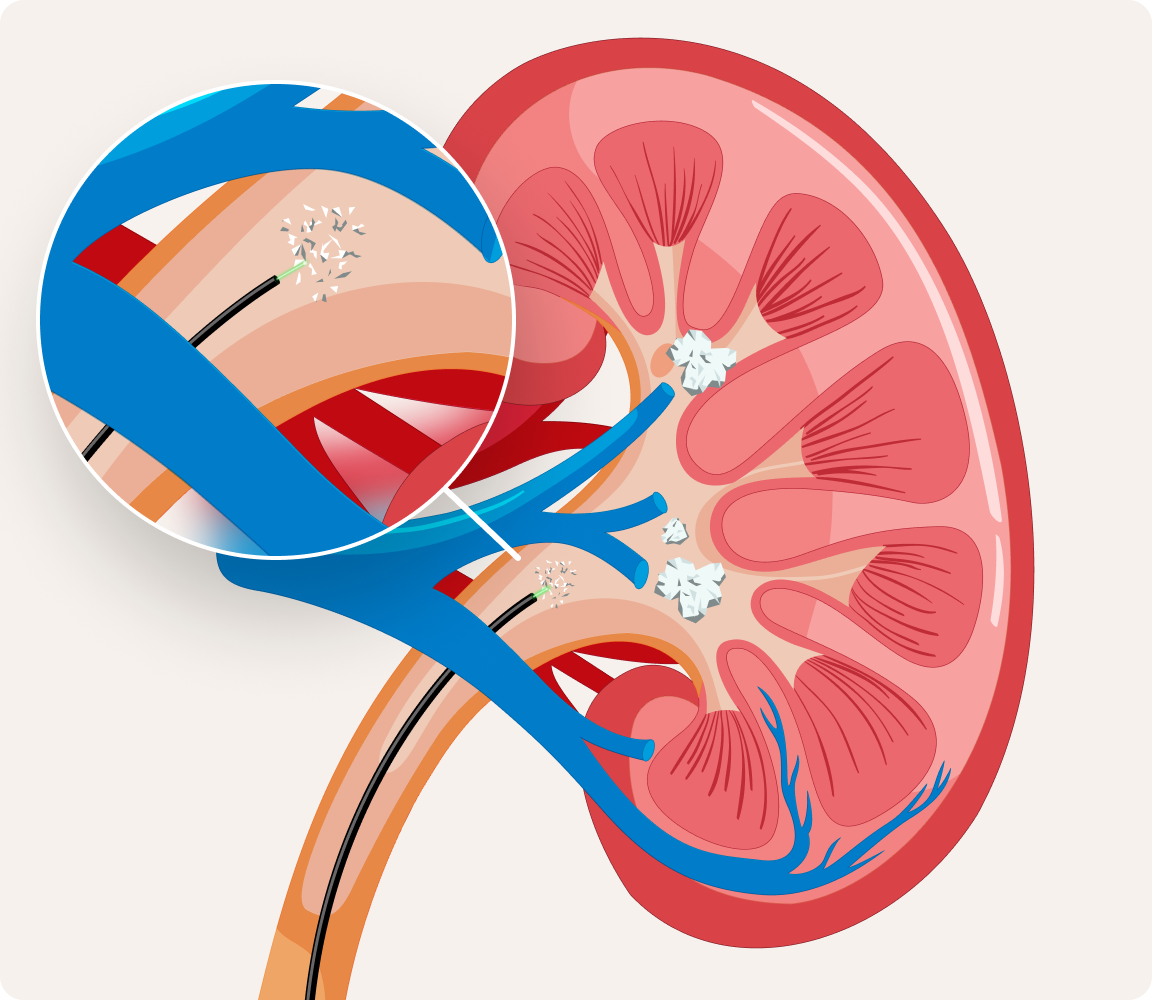
Kidney stone removal: The CVAC System continuously vacuums out stone dust and fragments during and after stone lasering, so your doctor can remove as much as possible.
Finishing up: Once your kidney stones have been vacuumed out, your doctor will remove the CVAC System and tubing. To ensure everything is flowing properly after your procedure, they will likely place a stent that will be removed at a follow-up appointment.
Because the CVAC System procedure is an outpatient treatment, you’ll most likely be home the same day.
Other treatments claim to deliver “stone-free” results while leaving pieces behind. The CVAC System is designed to get more out — even compared to other suction-based options.2,3
From large, real-world studies to the highest-quality clinical trials, the CVAC System procedure has been proven safe and effective, time and time again.1-11
In general, the CVAC System procedure is covered by most insurance plans. You may be responsible for part of the procedure cost, but the amount you pay will depend on your health insurance plan coverage. Your doctor’s office or surgery scheduler will confirm your insurance coverage before your procedure.
Your doctor will determine whether you’re a good candidate for the procedure based on the size, type, number, and location of your kidney stones — as well as your overall health, physical anatomy, personal preferences, and treatment goals.
For example, if it’s important to you that your kidney stones be completely removed, be sure to let your doctor know you’re interested in the CVAC System procedure.
The treatment is typically performed as an outpatient procedure, meaning you’ll most likely be home the same day. Patients are often able to resume normal activities within a few days of the procedure.12
Most likely, yes. But your doctor will determine whether or not to place a stent based on their preferred processes, equipment used during the procedure, and other factors.
As with other minimally invasive kidney stone treatments, there are some risks involved with the CVAC System procedure. Possible complications include, but may not be limited to: perforation, puncture, bleeding, hematuria, damage to ureter or kidney, discomfort, pain, inflammation, infection, and/or fever.
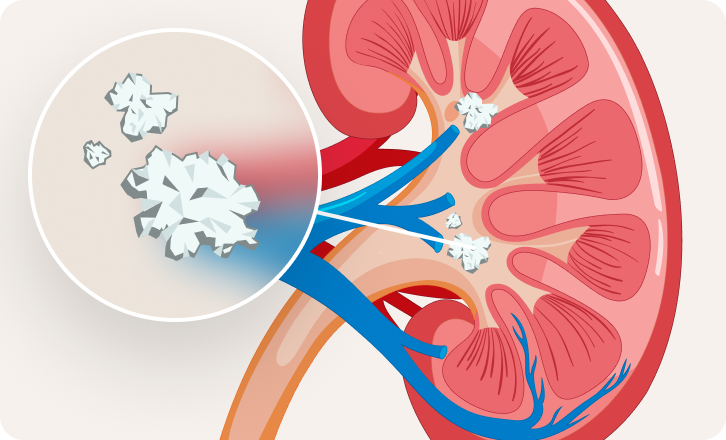

The CVAC System is designed to help your doctor remove all stone pieces, so none are left behind to regrow or pass through your urine.
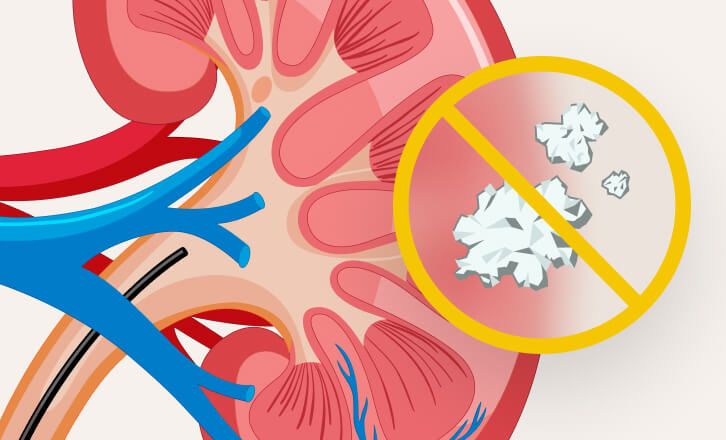

With the CVAC System, you get high stone clearance without the need for more invasive surgery.1