
Learn the pros and cons of common kidney stone treatment options as well as steps you can take to keep stones from forming.




01 / 04
For stones in the ureter, your doctor may prescribe medication and advise you to drink more water to help the stone pass on its own.
02 / 04
03 / 04
04 / 04
00 / 00
The only minimally invasive option
that provides exceptionally high stone clearance.11-13Lower chances
of needing to pass stones or deal with the risks of leftover fragments.14
Small chance of infection,
similar to other minimally invasive treatment options.9Stent discomfort:
A ureteral stent will likely be placed after the procedure to help with drainage.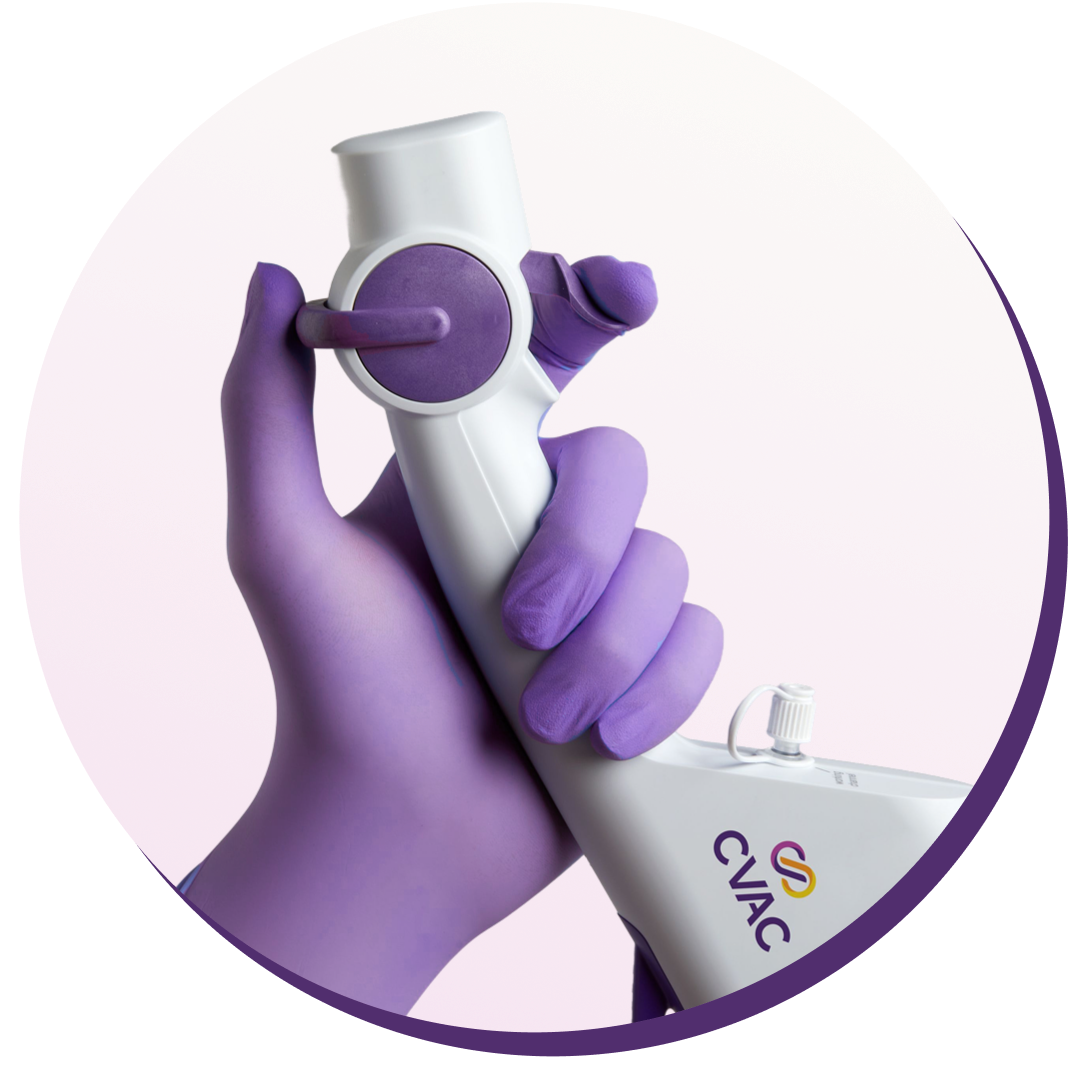

Drinking plenty of water will help to dilute the concentration of kidney-stone-forming minerals in your urine.1

These foods contribute to kidney stone formation in many ways.15 Reduce or eliminate meat and keep sodium to a minimum.

People who eat more fruits, vegetables, whole grains, beans, nuts, and seeds tend to have fewer kidney stones.15

Whether you enjoy daily walks or hitting the gym, higher levels of physical activity are associated with a lower risk of kidney stones.16
These terms refer to how your doctor accesses your kidney stones during treatment. “More invasive” treatment requires an incision through your skin to provide direct access. “Minimally invasive” means a thin line is threaded up through your natural urine outflow pathway (urethra), then through your bladder, and into your ureter and kidney. No incisions required.
No. No matter what kind of treatment you receive — or what the results of that treatment are — it is always possible to form new kidney stones in the future. However, studies show that leaving less stone behind is associated with fewer unplanned post-procedure health events, such as ER visits, hospital stays, and additional procedures.†,14
Overall, 30-50% of people who have a kidney stone will experience another one within five years.17 But ultimately, it depends on several factors:
You and your doctor will determine which kidney stone treatment option is right for you based on:
There is no universal definition for “stone-free” — and the term is somewhat misleading. It does not necessarily mean there are no kidney stones or stone fragments left inside your body. “Stone-free” typically means there are no stones left over a certain size (such as 2 mm or 4 mm) or no stones left that could be detected by a specific type of imaging.
A more accurate and useful measurement is Residual Stone Volume (RSV) — or how much has been left behind after the procedure. For example, higher RSV (meaning more stone fragments left behind) is associated with more ER visits, hospital stays, and additional kidney stone treatment procedures† in the long run.14
So even if you achieve a “stone-free” result, you may have many small stone fragments left behind that add up to a higher RSV — and higher risk for those unplanned post-procedure health events.14
The CVAC System procedure is the only minimally invasive kidney stone treatment option designed to help your doctor completely remove kidney stones.11
Studies have shown that the CVAC System is more effective than standard ureteroscopy (URS) as well as other surgical tools that include suction.12-14